
Ayurvedic Stress Management
August 24, 2026
God took them
September 7, 2026

Ayurvedic Care for Physical Exhaustion and Mental Overwhelm
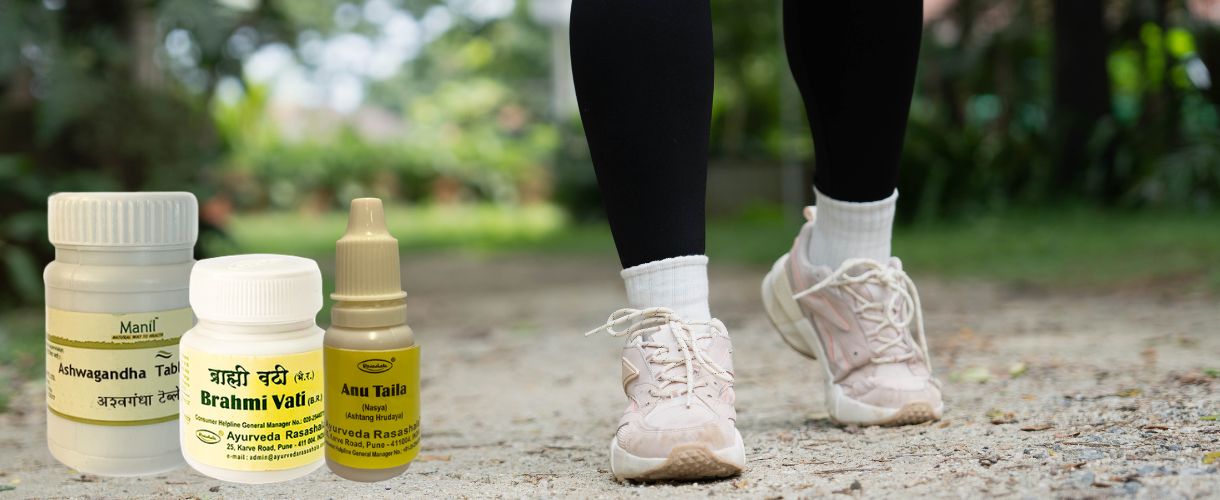
Ayurvedic care for physical exhaustion and mental overwhelm focuses on calming an overactive Vata dosha by grounding the nervous system with warm, nourishing foods, calming daily routines, and restorative herbal supports such as Ashwagandha and Brahmi.
In Ayurveda, the underlying factors are three primary life forces, vata, pitta and kapha, known as doshas, derived from the five elements, which govern both physical and psychological functions in the body.
VATA

Air and Space
Movement
PITTA

Fire and Water
Transformation and heat
KAPHA

Water and Earth
Nourishment and structure.
Each individual has a unique balance of doshas that creates their constitution (Prakruti). To remain well and healthy these doshas need to remain in balance. Illness can arise when they go out of balance.
Three subtle forms of the three doshas that have an influence over the mind, are Prana, Tejas and Ojas.
Prana, the subtle form of Vata dosha, is defined as vital life energy or the breath of life. It is responsible for our enthusiasm for life, connects us to our inner self, and maintains harmony between the body and mind.
Tejas is the subtle form of pitta dosha and agni (digestive fire). It can be defined as our inner radiance or fire of the mind. Tejas promotes intelligence, focus, self-discipline, perception and mental clarity.
Ojas is the subtle form of kapha and can be defined as the essential vital fluid of the body. Ojas promotes mental strength, stability, endurance, sustained concentration, good memory and happiness. It connects and sustains our physical-mental-spiritual wellbeing.
If there are any disturbances in the three doshas, there will also be a corrresponding disturbance in prana, tejas and ojas.
Vata is the energising force for everything in the body and mind. Pitta and Kapha cannot move without vata, for this reason vitiated vata dosha can cause many problems within the body and mind.
Exhaustion and overwhelm are usually due to vitiated Vata, which has caused an increase in pitta dosha. The excess Vata dries up kapha, the excess pitta burns up kapha. This reduction in Kapha depletes Ojas, leading to mental fatigue, deranged senses, poor memory, difficulty concentrating and lowered immunity.
Factors that increase vata are:
- Stress
- Anxiety, worry, fear
- Over stimulation (excess use of electronic devices, bright lights, prolonged loud noise)
- Lack of a daily routine (meal times, sleep time, work patterns)
- Going to bed late at night
- Lack of sleep
- Caffeine and other stimulants
- Eating cold, dry, light or raw foods
- Too many activities and multi-tasking
The Ayurveda saying goes, ‘balance vata, balance your life’.
Disease doesn't begin when symptoms appear; your body gives you opportunities to change direction long before it reaches that stage. To help you reinstate your health and rebuild your reserves, here is a holistic guide based on Ayurvedic principles.
Daily Routine Adjustments
Sleep schedule

- Staying up late overstimulates the mind and prevents rejuvenation. We evolved to rise with the sun and to rest once the sun has gone down. Prioritising a consistent sleep routine is very important to balance vata.
- Aim to be in bed by 10pm (Kapha time, when the body naturally feels lethargic and wake up consistently around 6am (Vata time, to feel energised and alert).
Oil Massage (Abhyanga)

- Warm oils counteract Vata's dryness, and ground the nervous system, making them an essential part of a Vata balancing routine, internally and externally.
- Massage warm sesame or almond oil over your body before showering.
- If you are short on time, simply apply oil to the crown of your head, ears and soles of your feet before bed
Unplug

- Spending time on electronic devices is very stimulating and doesn't give the body or mind time to unwind.
- Limit digital devices, social media and streaming for at least an hour before sleep to quiet mental noise.
- Consider a regular digital detox.
Rejuvenating Practices and Fulfillment

- Mindfulness: Engage in practices that balance Vata, reduce stress and rebuild Ojas such as Shanti Yoga, Yoga Nidra, Pranayama Meditation and Mantra chanting..
- Nature and Connection: Spend time with loved ones and make space for fulfilling activities such as cooking, painting, photography, or taking long walks. Walking in a park or sitting in nature, near trees and water, helps ground your body and mind and can help counteract depletion.
Dietary Choices
Ayurveda suggests that we look at digestion (the strength of your digestive system and microbiome) and immunity as interconnected systems rather than simply labelling foods “good” or “bad”.
- What to eat: Prioritise warm, frehly cooked and lightly spiced meals close to their natural state, and as fresh as possible. Include root vegetables, high-quality grains, and healthy fats (ghee, butter, avocado, coconut oil).
- Spices and Digestion: Use classic Ayurvedic spices such as ginger, cumin, coriander, fennel and cardamom to support your digestive fire (Agni), your body’s natural process of breaking down a heavier meal or foods that tend to be harder on your digestion and assimilating foods that tend to be harder on your digestion.
- What to Avoid: Avoid raw, dry, light and cold foods. To rebuild Ojas eliminate ultra-processed foods, refined sugars, alcohol and caffeine. Stay hydrated by sipping warm water or herbal teas rather than iced beverages.
Restorative Adaptogenic Herbs
Ayurvedic rejuvenative herbs (Rasayanas) help rejuvenate the mind, balance vata and build ojas. They enhance resilience to stress, combat nervous exhaustion and prevent damage caused by free radicals.

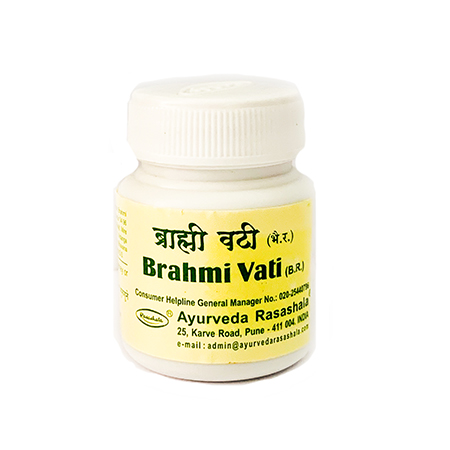


Gotu Kola / Mandukaparni / Centella asiatica

- Calms mental turbulence, eases tension and improves focus and memory. It is a rasayana for the brain and nerve tissue and helps with nervous exhaustion.
- Supports the adrenal glands and helps rebuild energy reserves. It relieves stress, anxiety, insomnia, depression and calms mental turbulence.
Skullcap (Scutellaria lateriflora)
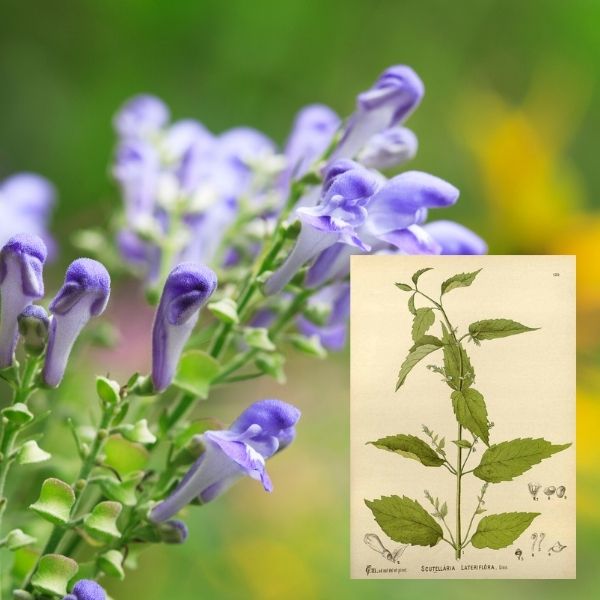
- Calms mental turbulence, eases tension and improves focus and memory. It is a rasayana for the brain and nerve tissue and helps with nervous exhaustion.
- Supports the adrenal glands and helps rebuild energy reserves. It relieves stress, anxiety, insomnia, depression and calms mental turbulence.