
God took them
September 7, 2026
Ayurvedic Vegetarian Diet Adapted for Parkinson's Disease
Parkinson’s disease is correlated with a condition known as Kampavata, (excessive air energy in Ayurveda) which is primarily treated as a severe Vata dosha imbalance using targeted herbs, internal rejuvenation (Rasayana), and specialised detoxification therapies (Panchakarma). While these treatments aim to manage motor symptoms and support neurological health, they should be used as complementary therapies alongside standard neurological medical care.
The vegetarian dietary approach adapted for Parkinson’s disease focuses on pacifying the Vata dosha, the internal energy ruling movement, which governs the nervous system.
This approach prioritises grounding, warming, and hydrating foods to calm the nervous system. Warm, cooked, oily, easily digestible and nutrient-dense whole foods combat the dry and degenerative nature of the condition, while carefully timing protein intake to ensure it does not interfere with standard medical treatments.
While Ayurvedic principles offer excellent lifestyle and dietary support, they do not cure the disease and should always complement your primary medical treatments.
Core Dietary Principles
Vata-Pacifying Foods:
Incorporate generous amounts of grass-fed ghee or sesame oil to lubricate the digestive tract, tissues and nervous system.
Healthy Fats:
Focus on freshly cooked, warm and easily digestible meals. Avoid raw vegetables, cold salads, frozen foods and cold drinks, as they increase Vata and can worsen rigidity.
High Fibre:
Eat plenty of well-cooked whole grains, cooked vegetables and fiber-rich lentils to combat constipation, a common symptom.
Protein Redistribution:
Space vegetarian proteins (such as dhals, lemtils, nuts, and dairy) away from your levodopa medication doses. Consuming these proteins primarily during evening meals helps prevent them from competing with the medication’s absorption.
Key Foods to Include
GRAINS:
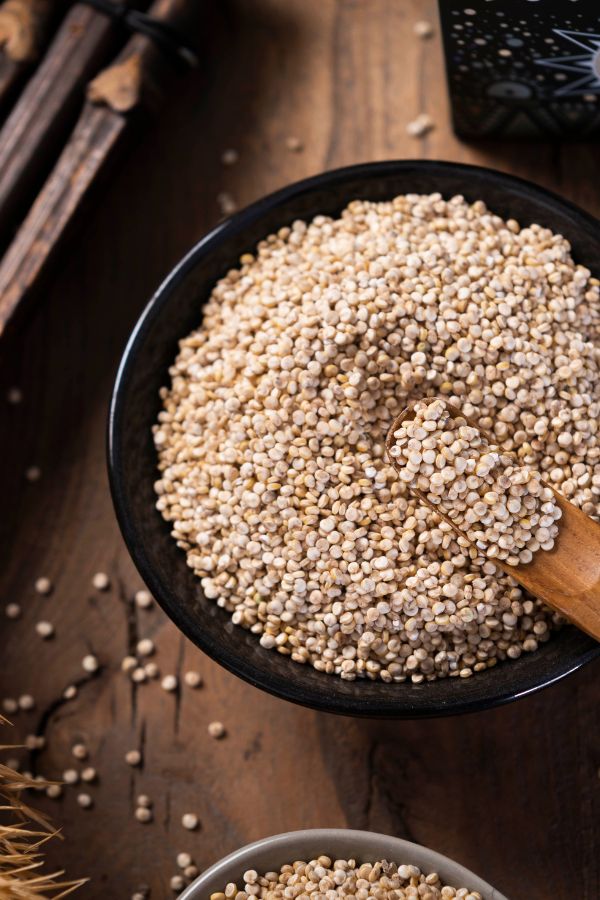
- Whole oats, millets, basmati rice, and quinoa, cooked into soft textures such as porridge or khichdi.
- Avoid: Raw oats, dry crackers, and white flour.
VEGETABLES:
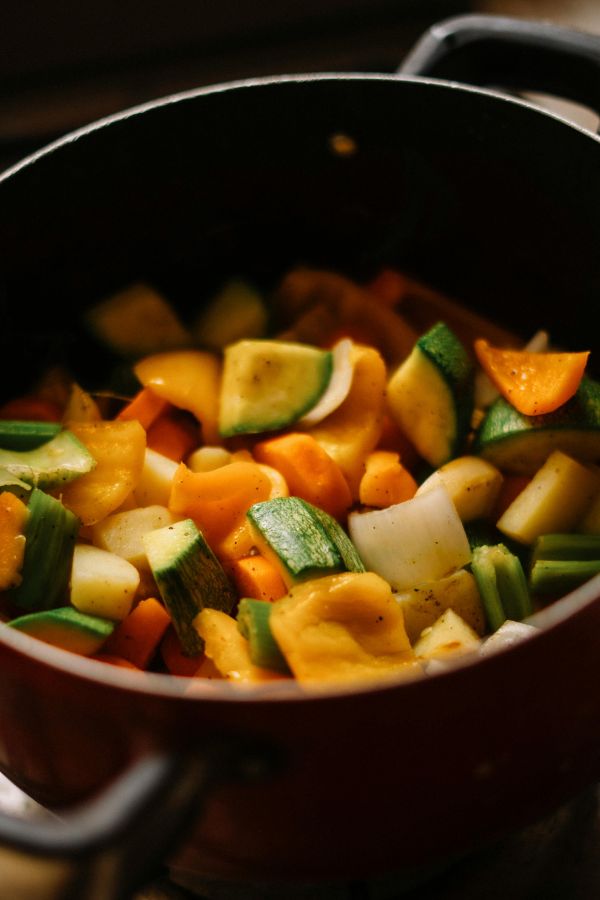
- Stewed or steamed zucchini, carrots, squash, pumpkin, sweet potatoes, and cooked spinach.
- Avoid: Raw salads, cabbage, broccoli, and cauliflower
SPICES:
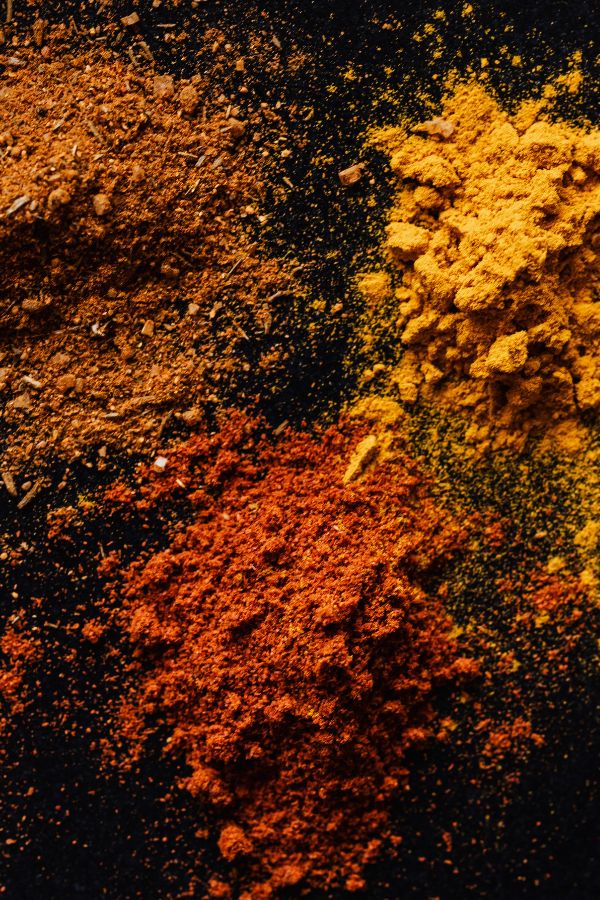
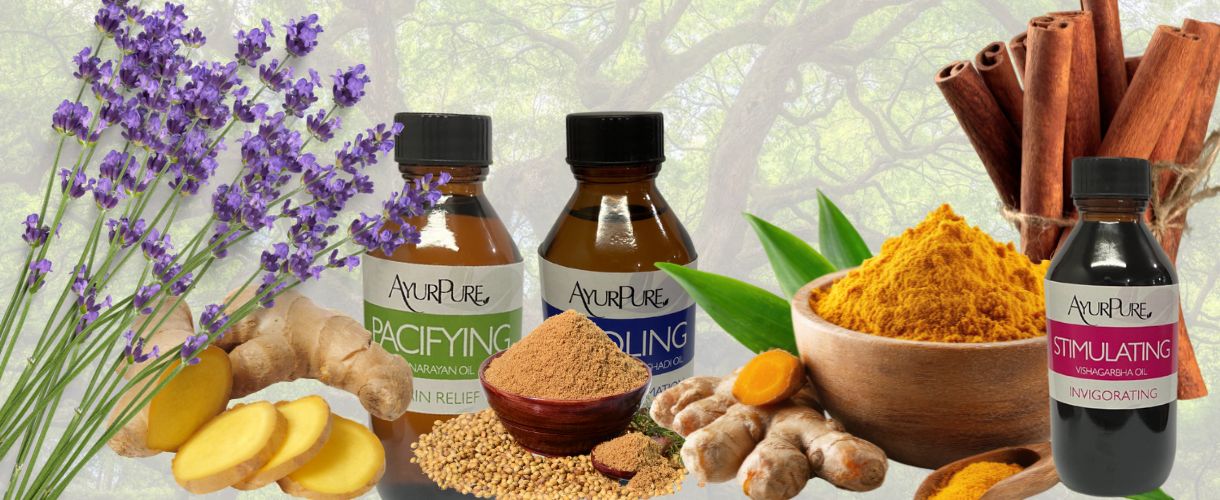
- Healing spices such as turmeric (curcumin), ginger, cumin, and coriander to reduce inflammation and support digestion.
FATS & OILS:
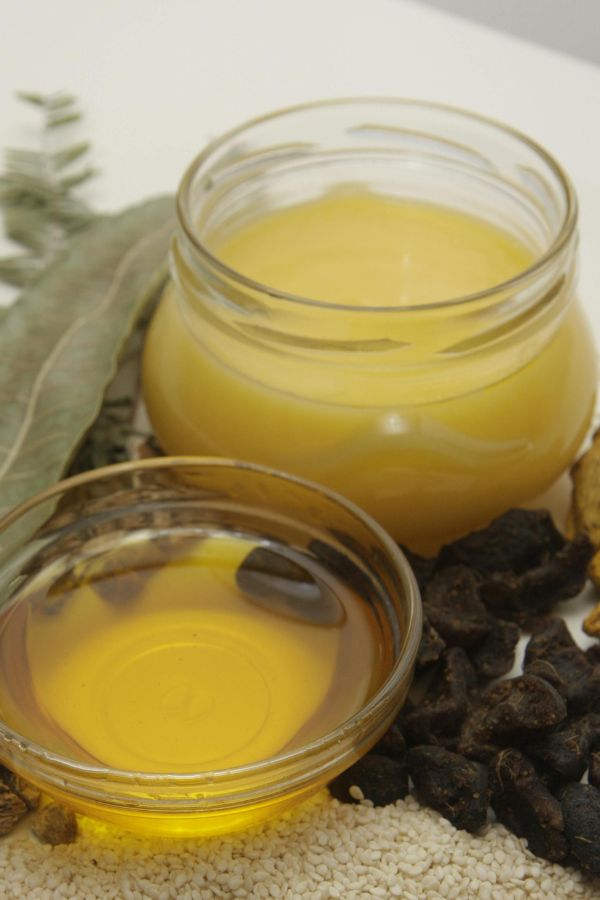
- Cow’s ghee, sesame oil, and olive oil
- Avoid: Margarine and highly processed vegetable oils
DAIRY:
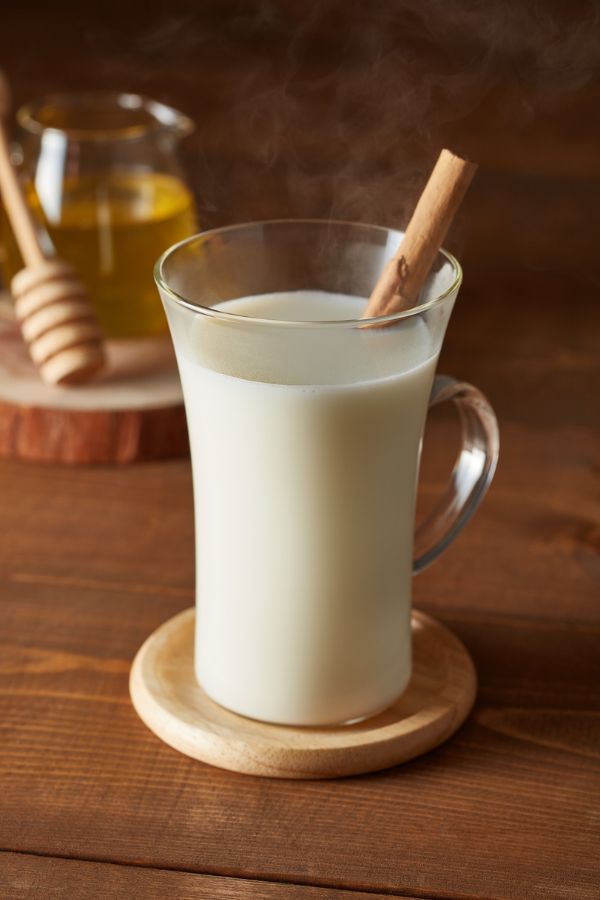
- Dairy and Alternatives: Warm spiced milk, almond milk, oat milk, and almond yogurt (dahi), nut butters.
- Avoid: Cold milk, aged cheeses, and ice cream
PROTEINS:
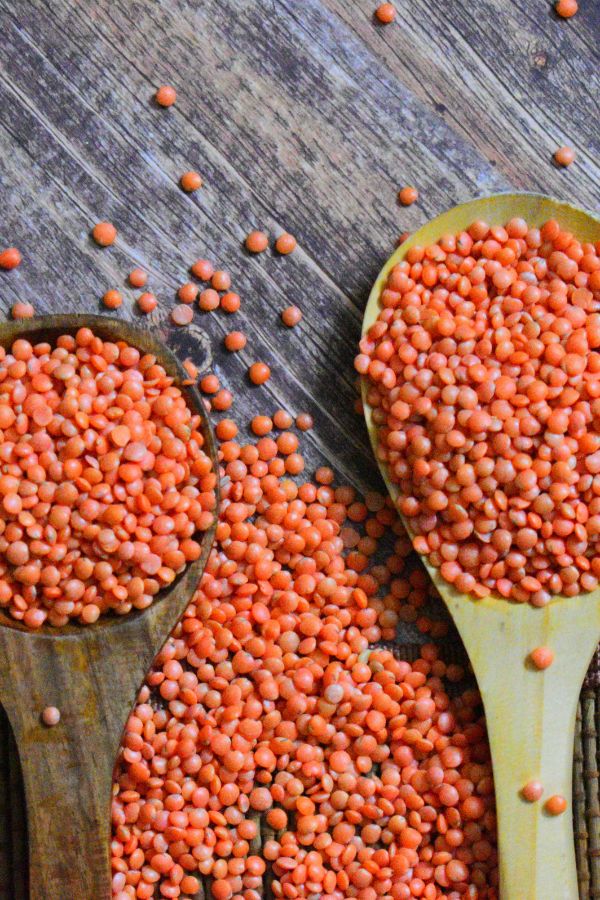
- Legumes and Proteins: Yellow moong dhal (highly nutritious and easy to digest), red lentils, and well-cooked tofu.
- Avoid: Heavy beans such as kidney beans or chickpeas
HERBAL SUPPORT
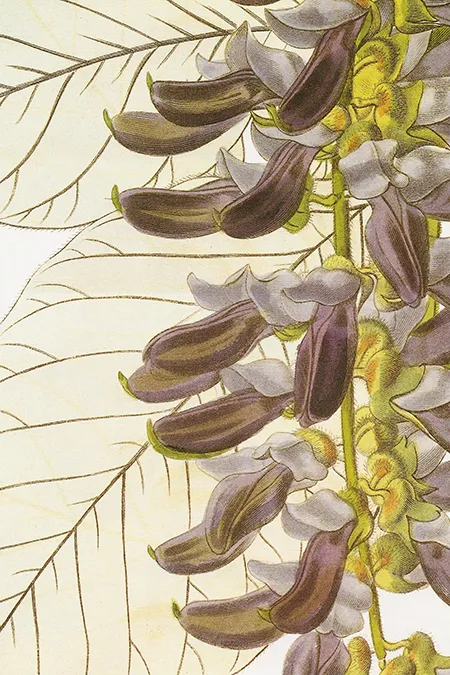
- Mucuna pruriens (Kapikachhu):
- Note: this Ayurvedic bean naturally contains L-dopa and should only be taken under strict medical supervision.
Key Foods to Avoid or Limit
- Dry and rough food such as rice cakes, dry crackers, and raw vegetables (which worsen Vata imbalances).
- Heavy, fried items or deeply processed foods that slow down gut motility.
- Processed food and refined sugars, processed sweets that trigger blood sugar crashes and systemic inflammation, heavy beans (such as kidney or chickpeas) and cold dairy.
Example Daily Meal Blueprint
Start your day with a glass of hot water.
MORNING
- Ginger tea followed by warm vegetable khichdi (a soft, one-pot dish made of rice, moong dal, ghee, and mild spices). Toast and nut butter or avocado. Porridge.
LUNCH
- Steamed basmati rice, a light yellow moong dal curry, and well-cooked zucchini or carrots sautéed in ghee. Sandwich. Dates and nuts.
AFTERNOON
- A small bowl of fresh probiotic vegan yogurt (dahi) sprinkled with roasted cumin, or a handful of soaked almonds.
DINNER
- A nutrient-dense vegetable soup or pureed spinach (palak) with Ghee, served with a small serving of soft-cooked grains. and baked beans
Sample Ayurvedic Day-Plan Matrix
Meal: Breakfast
Ayurvedic Component:
Warm spiced oatmeal or veggie khichdi
Parkinson’s Benefit: Steady energy. Easy to digest
Meal: Lunch
Ayurvedic Component:
Basmati rice with yellow moong dal ghee
Parkinson’s Benefit: Clean, plant-based energy source
Meal: Mid-day Snack
Warm ginger tea or yogurt
Aids digestion.
Supports gut health.
Meal: Dinner
Ayurvedic Component:
Steamed root vegetables with a light vegetable soup
Parkinson’s Benefit: Light on the stomach to promote sound sleep
7-day Ayurvedic Vegetarian Grocery List
This list targets a balance of Vata-pacifying whole foods that are warm, grounding, and easy to digest, and rich in soluble fibers to keep your bowels moving.
- Grains and Complex Carbs
- White Basmati Rice: Highly digestible.
- Rolled Oats: Ideal for warm, spiced morning porridges.
- Quinoa or Amaranth: High-quality, easy-to-absorb pseudograins.
- Legumes and Vegetarian Proteins
- Split Yellow Moong Dal: Minimises gas and digests cleanly.
- Red Lentils: Quick-cooking and ideal for blended soups.
- Fresh Vata-Pacifying Vegetables
- Carrots and Sweet Potatoes: Grounding root vegetables with natural sweetness
- Zucchini and Yellow Squash: High moisture; hydrating for the colon. Hydrating for the colon
- Fresh Ginger and Garlic: Essential for supporting digestion (Agni).
- Healthy Oils and Fats (Tissue Lubrication)
- Grass-Fed Ghee (Clarified Butter): Lubricates tissues and the nervous system.
- Cold-Pressed Sesame Oil: Traditional warming oil to balance Vata.
- Avacado
- Nut butters
- Anti-Inflammatory Spices and Herbs
- Turmeric Powder: Addresses systemic inflammation.
- Cumin, Coriander, and Fennel Seeds: The classic Ayurvedic trio used to reduce bloating and gas.
- Cinnamon and Cardamom: Warming accents for morning oatmeal.
- Garam Masala (see recipe below)
- Low-Protein Snacks and Sweets
- Apples and Pears: Best enjoyed stewed or baked with cinnamon.
- Medjool Dates: A natural, fiber-rich option to satisfy sugar cravings without refined sweeteners.
Garam Masala recipe:
1 tablespoon ground cumin
1.5 teaspooons ground coriander
1.5 teaspoons ground cardamom
1.5 tsp ground black pepper
1 tsp ground cinnamon
0.5 tsp ground cloves
0.5 tsp ground nutmeg
- Dry roast the cumin seeds, coriander seeds, cardamom and black peppercorn.
- Then grind them and mix them with the ground cloves and nutmeg.
- Transfer into an airtight container, and store in a cool, dry place.
7-Day Meal Plan Adapted for Parkinson's Disease
Day 1 to 3
Breakfast
(Low Protein / Med-Friendly)
- Warm spiced oats: Rolled oats cooked in water with cinnamon, cardamom, and a splash of warm sesame oil.
- Stewed apples: One peeled apple simmered with a pinch of ginger powder.
Lunch
(Light Protein for Daytime Mobility)
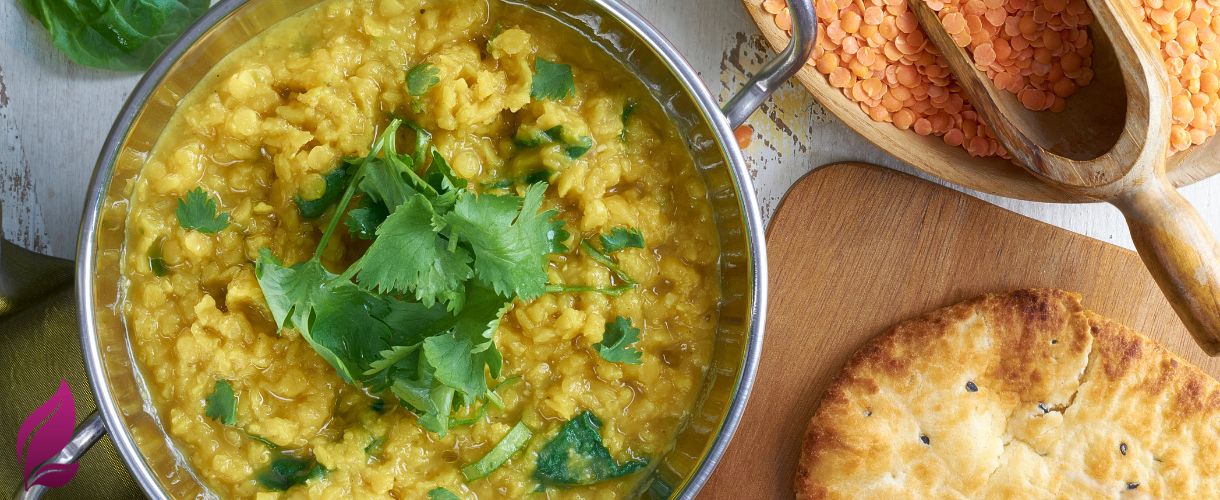
- Soupy yellow moong dal: Split moong beans cooked with turmeric, cumin, and coriander.
- Basmati rice: Steamed white basmati rice drizzled with a teaspoon of ghee.
- Steamed zucchini: Soft, warm zucchini slices lightly spiced with fennel seeds.
Dinner
(Heavier Protein Balance)
- Thick red lentil soup: Pureed red lentils with carrots and sweet potatoes.
- Quinoa pilaf: Warm quinoa cooked in vegetable broth with a hint of garlic.
Day 4 to 5
Breakfast
(Low Protein / Med-Friendly)
-
Sweet potato porridge: Mashed sweet potato cooked with hot water, cinnamon, and a tiny dab of ghee.
-
Warm ginger tea: Freshly sliced ginger steeped in hot water to ignite digestion.
Lunch
(Light Protein for Daytime Mobility)
-
Mashed carrot and squash soup: Pureed root vegetables cooked with cumin and a touch of sesame oil.
-
Toasted basmati rice: Lightly parboiled rice cooked until fluffy.
Dinner
(Heavier Protein Balance)
-
Classic Ayurvedic Khichdi: Yellow moong dal and basmati rice cooked together into a porridge-like consistency with ghee, turmeric, and ginger.
-
Sautéed yellow squash: Cooked thoroughly until very soft and easy to chew.
Day 6 to 7
Breakfast
(Low Protein / Med-Friendly)
-
Baked warm pears: Pear halves baked with cardamom powder and a drizzle of maple syrup.
-
Stewed dates: Two Medjool dates simmered in water until soft.
Lunch
(Light Protein for Daytime Mobility)
-
Amaranth porridge: Savory amaranth grain cooked with zucchini, carrots, and coriander seeds.
-
Clear vegetable broth: Sipped warm during the meal.
Dinner
(Heavier Protein Balance)
-
Spiced red lentil stew: Thick dahl made with garlic, ginger, and cumin.
-
Steamed sweet potato chunks: Topped with a small teaspoon of melted ghee.
Daily Routine Tips
Medication reminder
Take your Parkinson’s medication 30 to 60 minutes before your breakfast and lunch to ensure optimal absorption.
Hydration
Drink all water and herbal teas warm or at room temperature; avoid iced water.
Chewing
Chew each bite thoroughly to ease the burden on your digestive system.
Key Ayurvedic Foods and Spices for Brain Health
Here is an overview of key Ayurvedic foods and spices that support brain health, along with important clinical considerations:
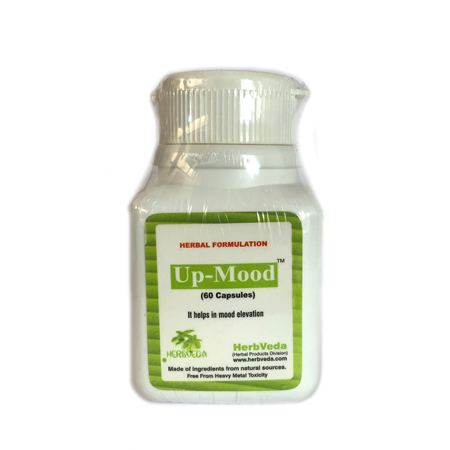
- Mucuna pruriens (Kapikachhu)
- Benefits: A traditional Ayurvedic herb that serves as a natural source of L-dopa, the precursor to dopamine.
- Usage: Typically taken as a supplement under medical supervision, though its seeds are sometimes integrated into specific therapeutic diets.
- Order Online: Up Mood
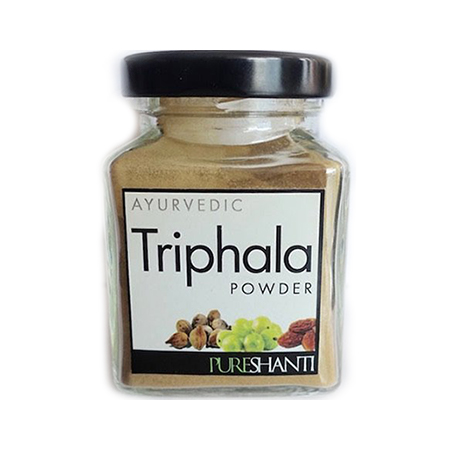
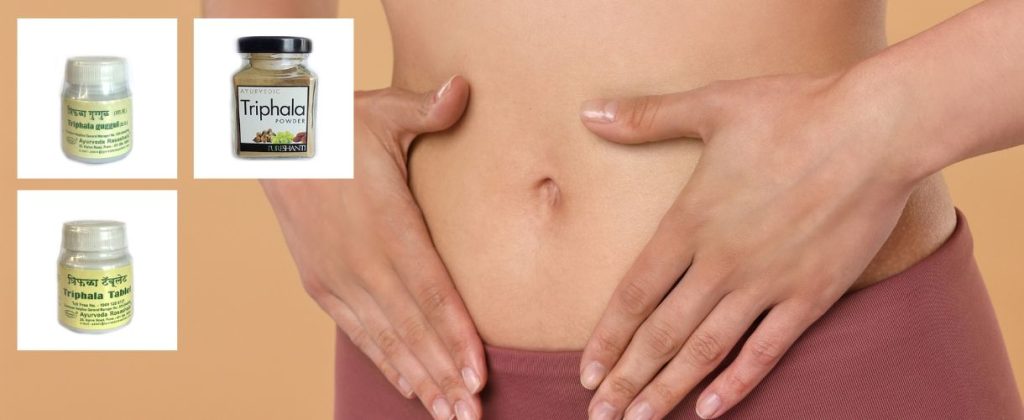
- Triphala Churna
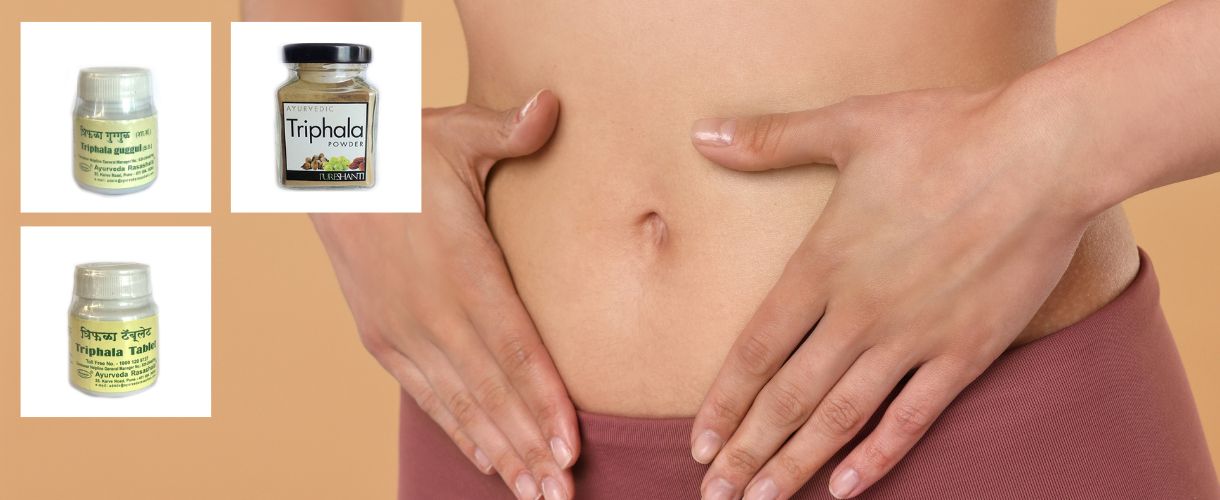
- Benefits: Acts as a natural laxative and supportive remedy to manage constipation and digestive discomfort, which are frequent side effects of Parkinson’s disease and its medications.
- Usage: The powder (churna) is mixed into warm water and often taken before bed as directed by a qualified practitioner.
- Precautions: Excessive consumption can cause abdominal cramps, gas, severe diarrhoea, and risk of dehydration. Additionally, Parkinson’s medications rely heavily on predictable gut motility and absorption to work correctly. Because Triphala alters gut motility and waste transit time, it may affect the absorption and efficacy of prescription medications such as levodopa. Before adding this to your routine, consult your managing neurologist to check that it will not interfere with the primary Parkinson’s treatment plan.
- Order Online: Triphala Churna (Choorna)
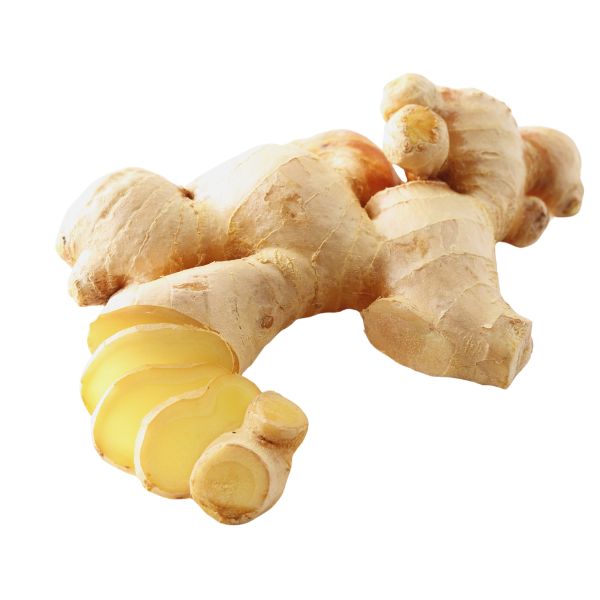
- Turmeric and Ginger
- Benefits: Curcumin in turmeric provides powerful anti-inflammatory and antioxidant support to protect neurons.
- Usage: Incorporate turmeric, black pepper, ginger, and cumin regularly into your cooking.
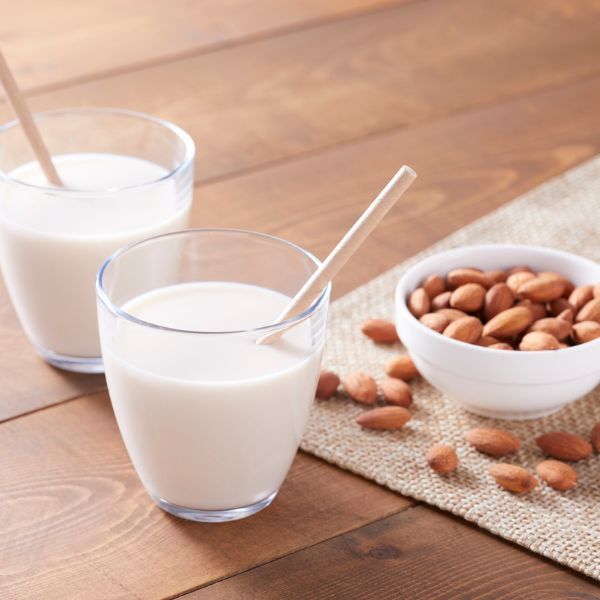
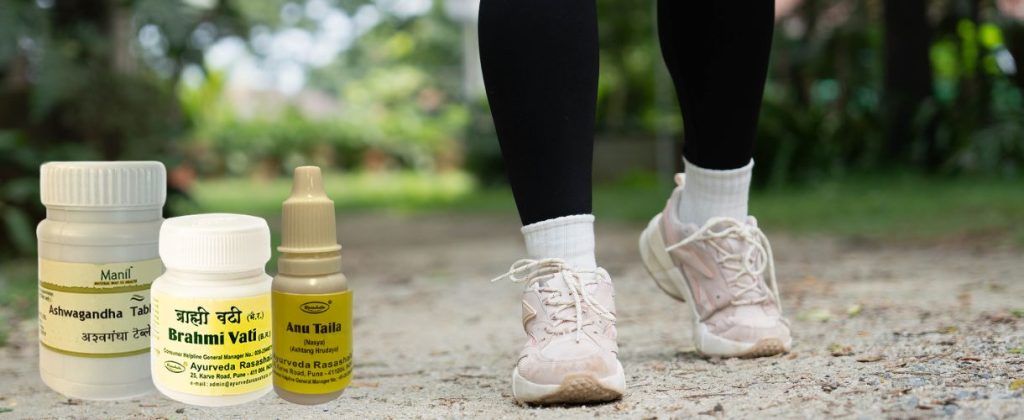
- Ashwagandha + Almonds
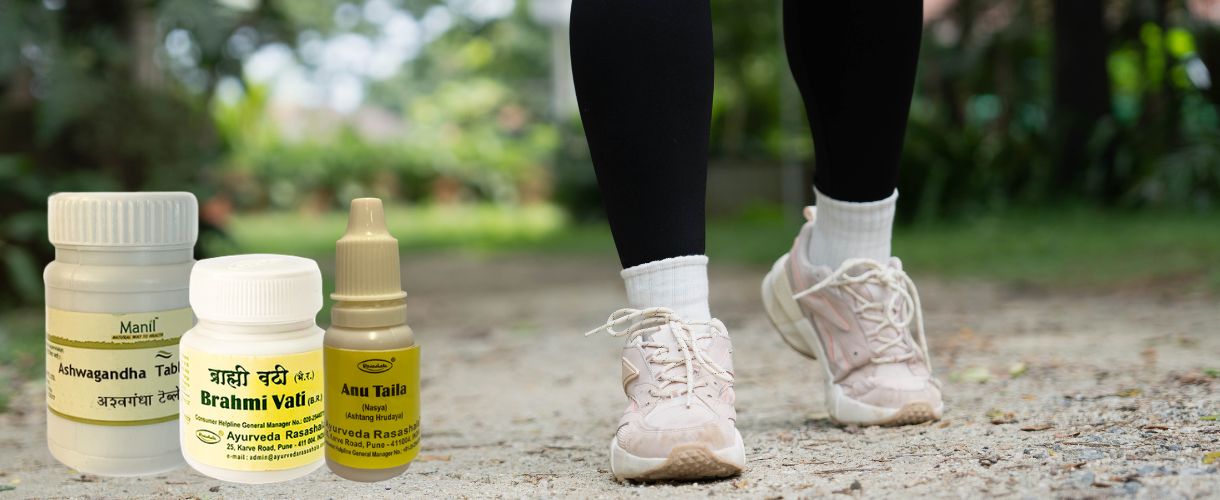
- Benefits: Preclinical studies suggest Ashwagandha extracts offer neuroprotective benefits, reduce oxidative stress in the brain, and protect dopamine-producing neurons. Clinical case studies also report improvements in secondary symptoms such as Restless Legs Syndrome and insomnia.
- Usage: Soaked and peeled almonds blended into warm milk with Ashwagandha powder can help strengthen nervous tissue and reduce tremors.
- Precautions: Ashwagandha may interact unpredictably with precise Parkinson’s medication regimens (such as levodopa, carbidopa or dopamine agonists), potentially altering dopamine activity or intensifying side effects. Its mild sedative properties may also compound fatigue or affect motor coordination if taken with other sedatives. Always consult your neurologist to evaluate potential drug interactions before introducing Ashwagandha.
Articles and blogs are best approached as general educational and informational reading rather than professional advice. While we always try our best to share accurate and up-to-date insights, please feel free to explore the content at your own discretion, as we can't guarantee every detail. Thank you for reading. Please let us know if you'd like to chat more about it.