
Guru Purnima Message
August 3, 2026
Ayurvedic Stress Management
August 24, 2026
Ayurveda and Parkinsons Disease
An overview of the Ayurvedic perspective and evidence-based management strategies for Parkinson’s disease (PD), which correlates closely with the Vata disorder known as Kampavata.
Parkinson’s disease (PD) is a chronic, protracted and progressive neurodegenerative movement disorder within the purview of neurology. This disorder arises from dopamine depletion in the basal ganglia due to the degeneration of dopaminergic neurons, culminating in classical Parkinsonian motor manifestations such as bradykinesia (gatisaṅga or ceṣṭāsaṅga), tremor (kampa or vepathu), rigidity (kampa or vepathu),
The contemporary framework of PD management predominantly revolves around pharmacological intervention, although its efficacy wanes as the disease advances, often causing distressing side effects such as motor fluctuations and dyskinesias. Although productive, deep brain stimulation remains financially prohibitive for most patients. Interestingly, researchers have postulated that nearly half of PD patients in India use complementary and alternative medicine (CAM). Prolonged disease duration and levodopa usage correlate with heightened CAM adoption, with Ayurveda being a frequently chosen modality.
Kampavata:
a subtype of vata vyadhi is characterised by
- limb tremors (kara pada-tala kampa)
- gait and posture disturbance (deha bhrama duḥkhite)
- sleep issues (nidra-bhanga)
- cognitive decline (mati-kṣīṇa)
Kaphavṛta vyana:
occurs when kapha (the biological force that provides strength and structural integrity)
- obstructs motor coordination (vyana vata)
- gait and posture disturbance (deha bhrama duḥkhite)
Key Ayurvedic Herbs
Mucuna pruriens
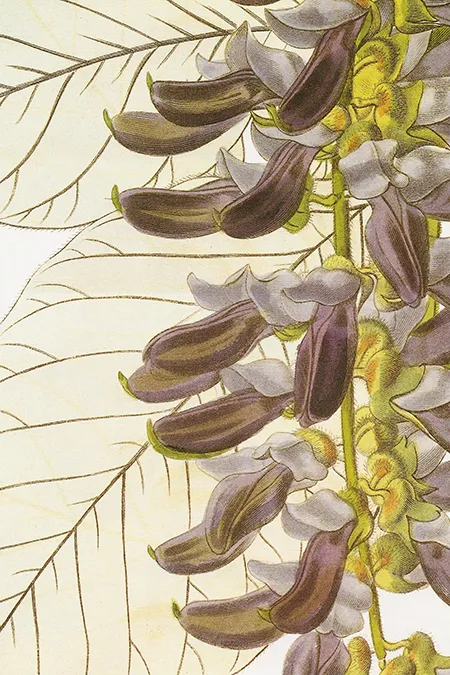
- Contains natural L-dopa, the direct precursor to the neurotransmitter dopamine, which helps reduce tremors and rigidity.
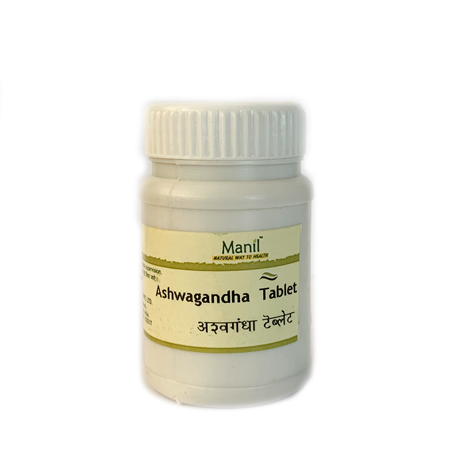
Ashwagandha
(Withania somnifera):
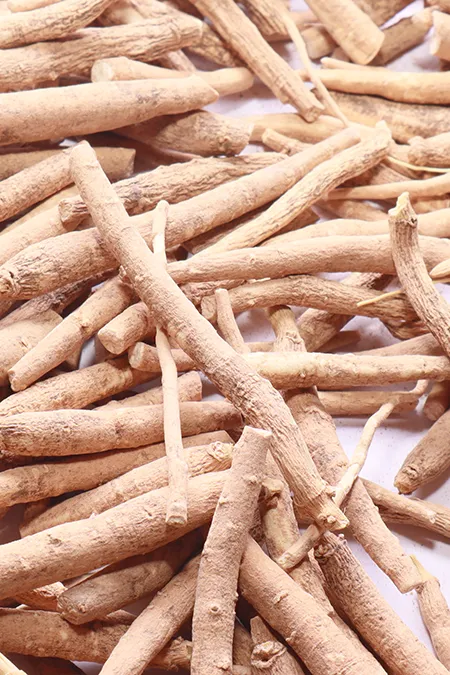
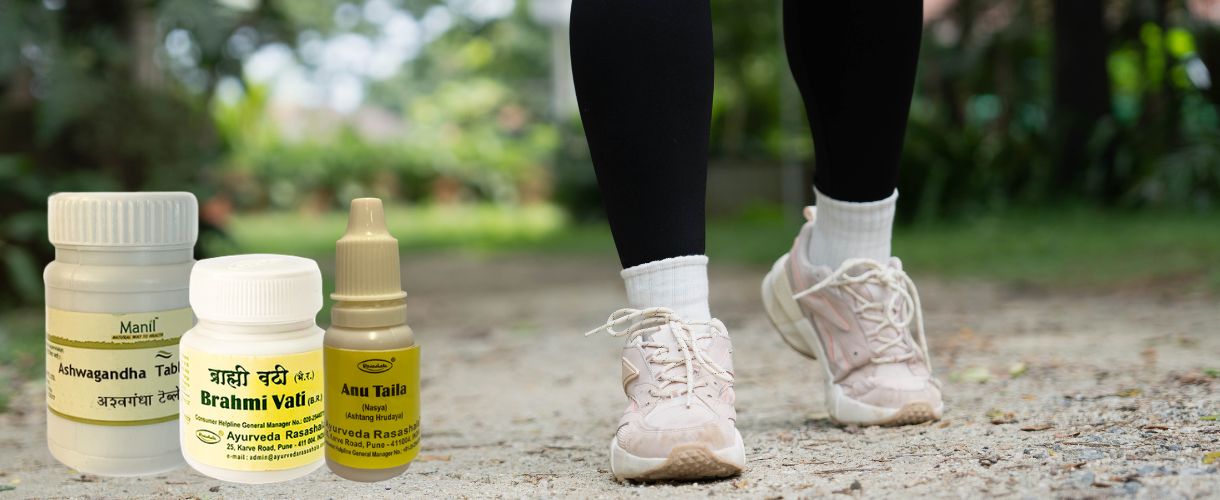
- Provides neuroprotective benefits, reduce stress, and improve muscle strength.
Image credit: By Piyush Kothari - Own work, CC BY-SA 4.0, https://commons.wikimedia.org/w/index.php?curid=114405644
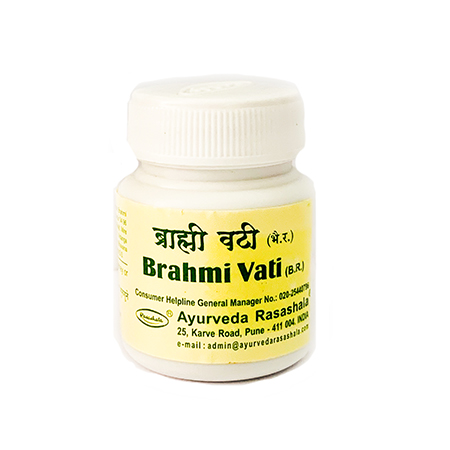
Brahmi
(Bacopa monnieri):
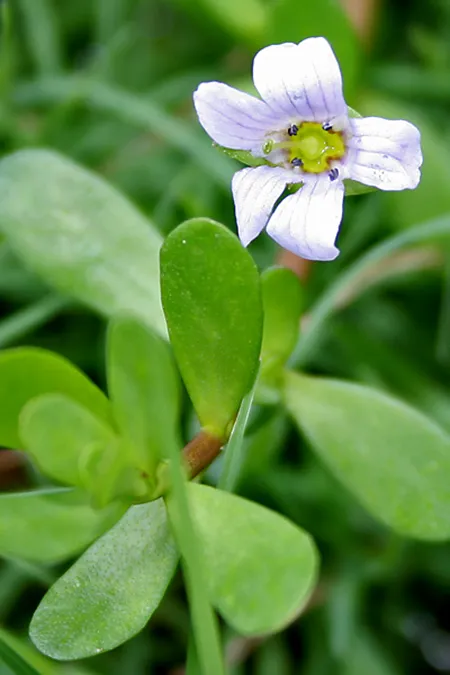
- Supports cognitive function and helps manage non-motor, psychological symptoms.
Image credit: By J.M.Garg - Own work, CC BY 3.0, https://commons.wikimedia.org/w/index.php?curid=7995641
Bio-Cleansing (Panchakarma) and Physical Therapies
Comprehensive management extends beyond herbs and encompasses a comprehensive regimen designed to calm Vata and eliminate metabolic waste. This incorporates oral administration of medicated fats, massage with medicated oils, sudation, induced intestinal purgation, therapeutic enemas, and enhine therapy:
Abhyanga (Therapeutic Massage):
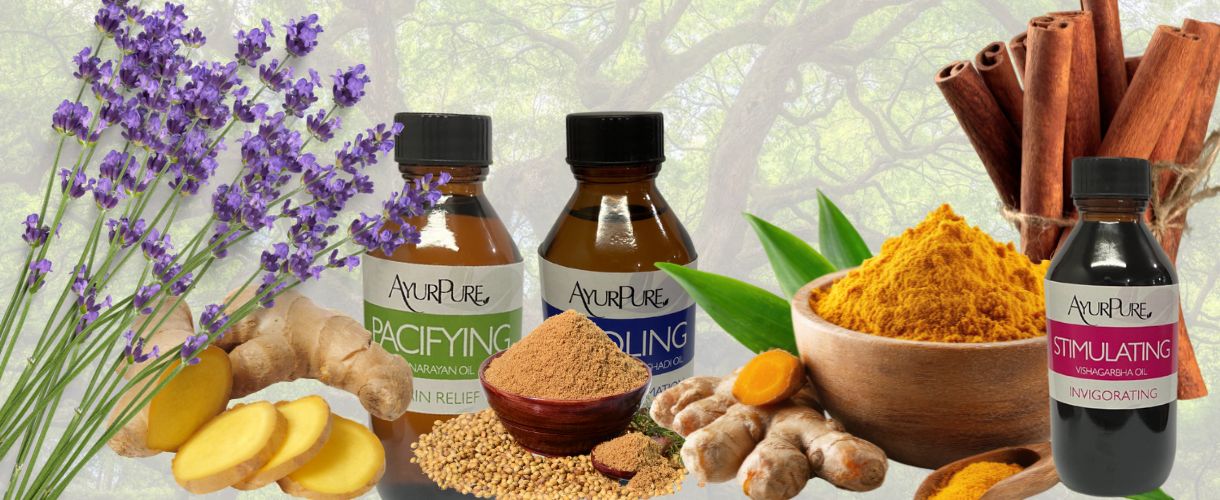
- Utilises warm, medicated oils (such as Mahanarayana taila, or Maha maṣa taila or Dasamula bala taila) to reduce stiffness, lower stress hormones and improve gait speed.
Basti (Medicated Enemas):
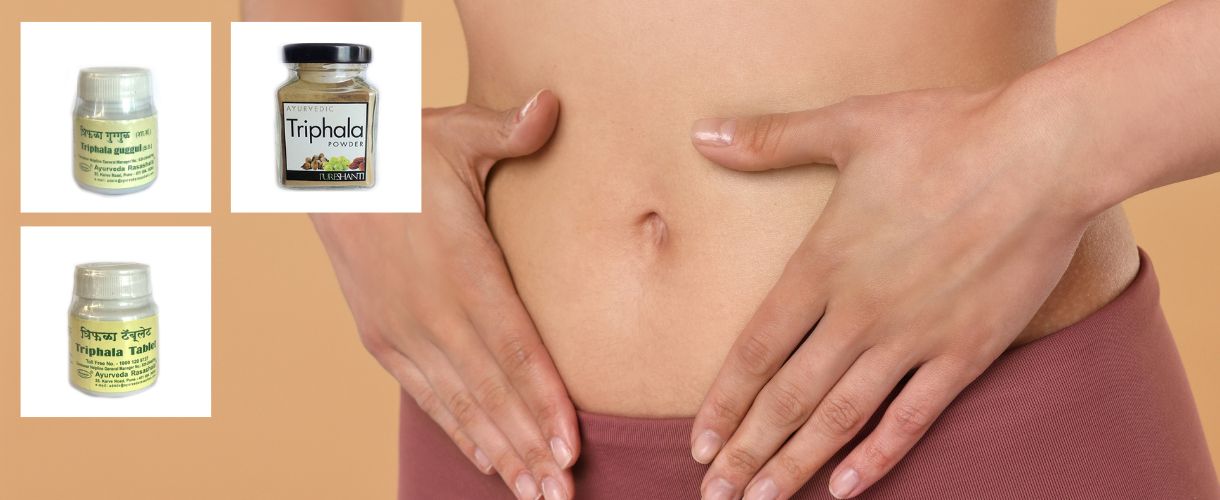
- Addresses the colon, the primary seat of Vata, while targeting potential microbiome alterations associated with PD.
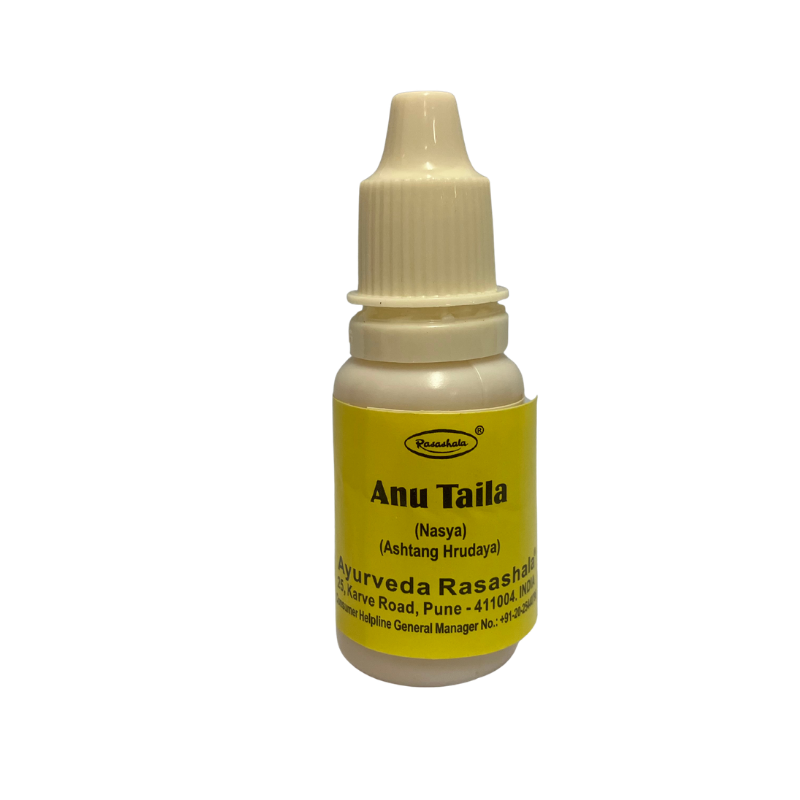
Nasya (Nasal instillation):
- Delivers herbal oils (such as Anu taila or Ksira bala taila) via the nasal mucosa, offering non-invasive pathways to the central nervous system that bypass the blood-brain barrier.
Shirodhara:
- Involves the continuous pouring of warm herbal oil onto the forehead to soothe the nervous system and improve sleep.
Diet and Lifestyle
Nutrition:
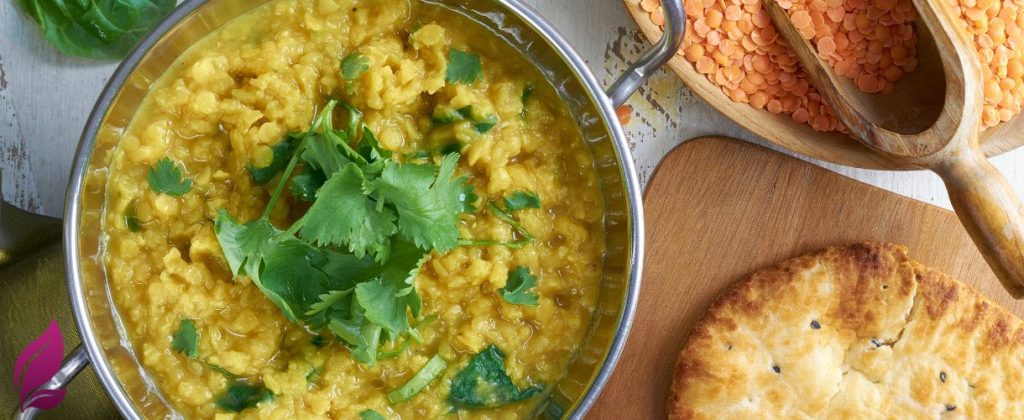
Consume warm, grounding, easily digestible, cooked meals with healthy fats such as ghee to counter the dry, cold nature of Vata.
Routine:
Maintaining a strict regular schedule for sleeping, eating, and waking to stabilise the nervous system.
Crucial Medical Considerations
Data and Dosage:
While short-term benefits are documented, long-term safety and standardised dosing require further scientific study.
Medication Interactions:
Active compounds in these herbs can interact with prescription Parkinson’s drugs (such as Levodopa/Carbidopa). These therapies complement, not replace, standard neurological care, and a neurologist should be consulted before making any treatment adjustments.