
With Love From Shanti Yoga, October 2026: What is happiness?
October 6, 2026
Life After Gallbladder Removal
Having your gallbladder removed (cholecystectomy) is a significant change. The gallbladder may be small, but it plays an important role in digestion—particularly in the breakdown of dietary fats.
After gallbladder removal the liver continues to produce bile, but there is no longer a storage pouch to release it in concentrated bursts, so instead of being stored and concentrated in the gallbladder, bile drips continuously into the small intestine. This frequently leads to many people experiencing post-surgical digestive symptoms such as bloating, gas, indigestion, a feeling of heaviness after eating, or loose stools.
The good news is that it’s absolutely possible to thrive without a gallbladder. By making small, intentional changes to your eating habits, activity levels, and digestive health, you can reduce post-surgical symptoms and feel your best.
To help you navigate recovery, here is a guide to managing digestion through Ayurvedic principles and lifestyle adjustments:
Ayurvedic management and post-cholecystectomy care focuses on:
- supporting and regulating the digestive fire, agni
- soothing sharp and hot (tikshna) bhrajaka and pachaka pitta and Vata imbalances
- easing post-surgery gas or bloating, and
- helping the liver secrete a smooth, continuous flow of healthy bile
Managing Post-Surgery Symptoms
Gas, Bloating, and Indigestion
Sip warm cumin-coriander-fennel (CCF) tea throughout the day to help calm post-operative gas and cramping.
Post-Cholecystectomy Syndrome (Persistent Pain/Dyspepsia)
If upper abdominal pain, nausea, or indigestion persists, evaluate for retained sludge, bile duct irritation, or sphincter issues.
- Ayurvedic herbs for bile sludge and gall bladder health include beetroot, fenugreek, cinnamon and shilajit.
Loose Stools or Diarrhea
This is common when unreserved bile, now constantly flowing, irritates the intestinal lining (bowels), causing bile acid diarrhea with frequent, loose stools, urgent bathroom needs and cramping after meals.
- Eat small, frequent meals, and incorporate soluble fiber (e.g., well-cooked vegetables, oats and okra) to bind bile acids.
- Avoid heavy oils also helps stabilise digestion.
Food and Symptom Journal
Post-surgical digestion is different for everyone. Foods that one person tolerates may cause issues for another. Keep a food and symptom journal to help you:
- Identify personal trigger foods
- Track bowel habits
- Monitor improvements and progress over time
This simple habit can be incredibly empowering.
Ayurvedic Dietary Principles After Surgery
4-6 SMALL MEALS
Construct a meal plan that is intentionally Pitta-pacifying and low fat to promote healthy digestion and energy balance. Eating three large or heavy meals will overwhelm the digestive tract since there is no gallbladder to store bile and release a large surge of bile for heavy fats. Your liver still produces bile, but it flows into your digestive system at a steady pace—regardless of what you eat. Your digestive tract can no longer digest in bulk. Without timed bile release, large or high-fat meals can overwhelm your digestive tract and cause bloating, diarrhea, or cramping.
- Eat 4 to 6 small, light meals throughout the day
- Keep portion sizes moderate
- Don’t skip meals, it can lead to overeating later
LIGHT & EASY-TO-DIGEST
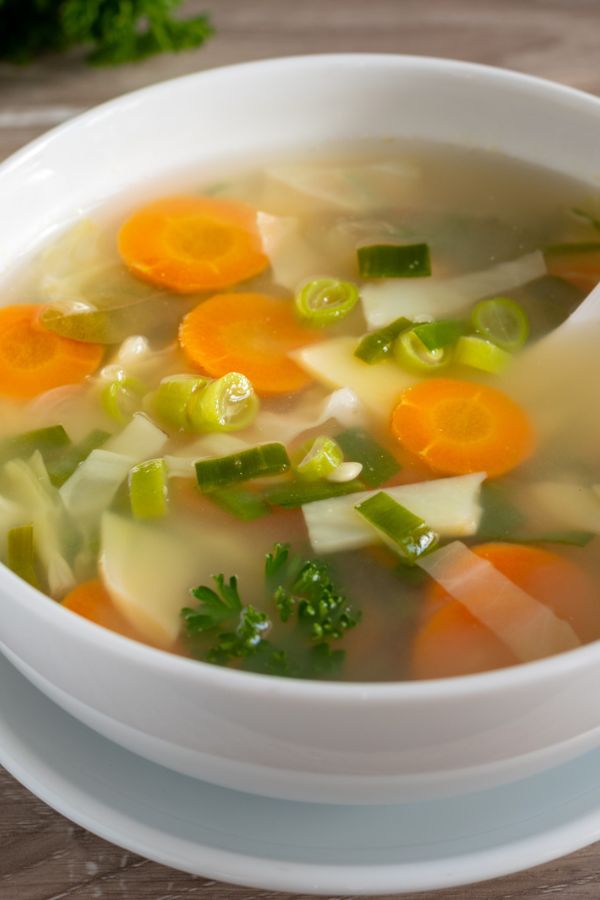
Focus on light and easy to digest foods.
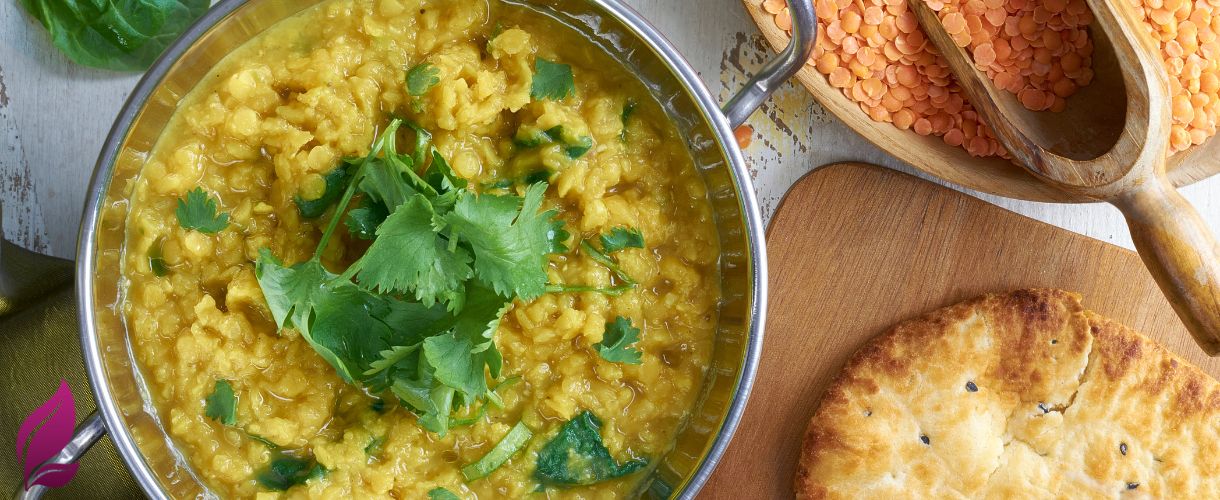
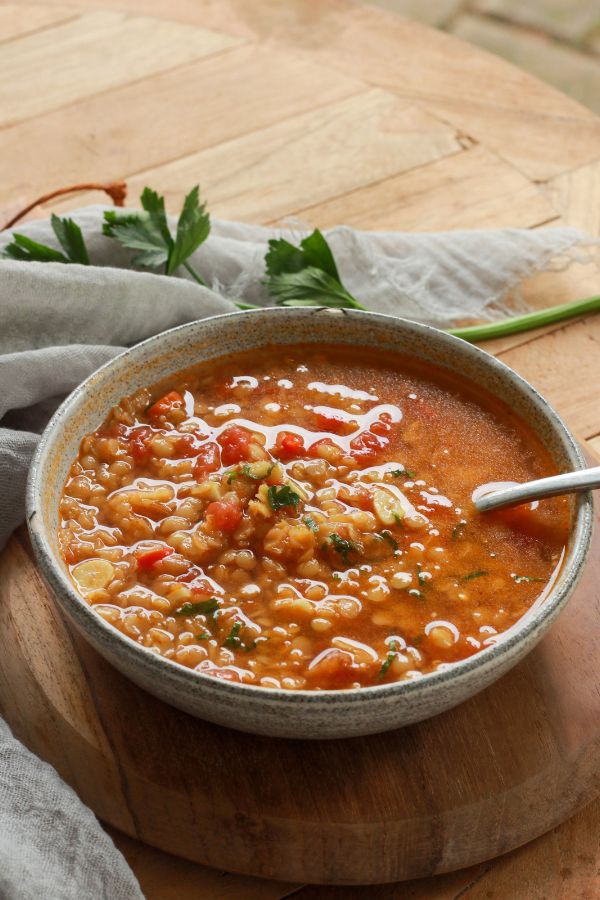
Favour warm, well-cooked, and simple meals, such as thin kihchari, cooked vegetables, and light soups over raw, cold, or heavily processed foods.
SUPPORT GUT HEALTH
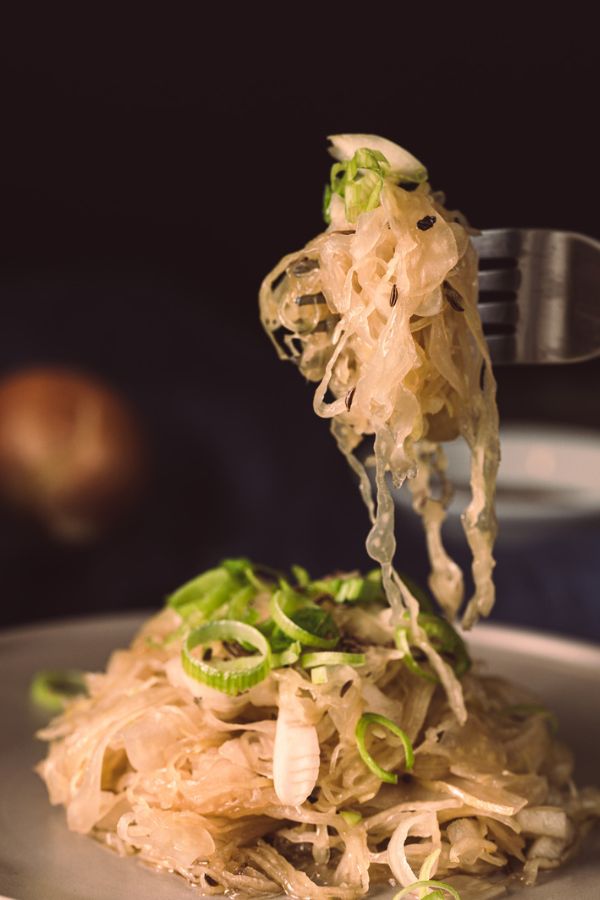
A healthy gut is your best ally in digestion. Gallbladder removal may shift your gut microbiome, so nurturing it becomes even more important. To optimise your digestive wellness:
- Eat probiotic-rich foods such as yogurt, kefir, and sauerkraut
- Include prebiotic foods such as garlic, onions, and oats
- Stay well-hydrated
- Avoid excessive use of antibiotics or over-the-counter antacids
FIBRE-RICH FOODS
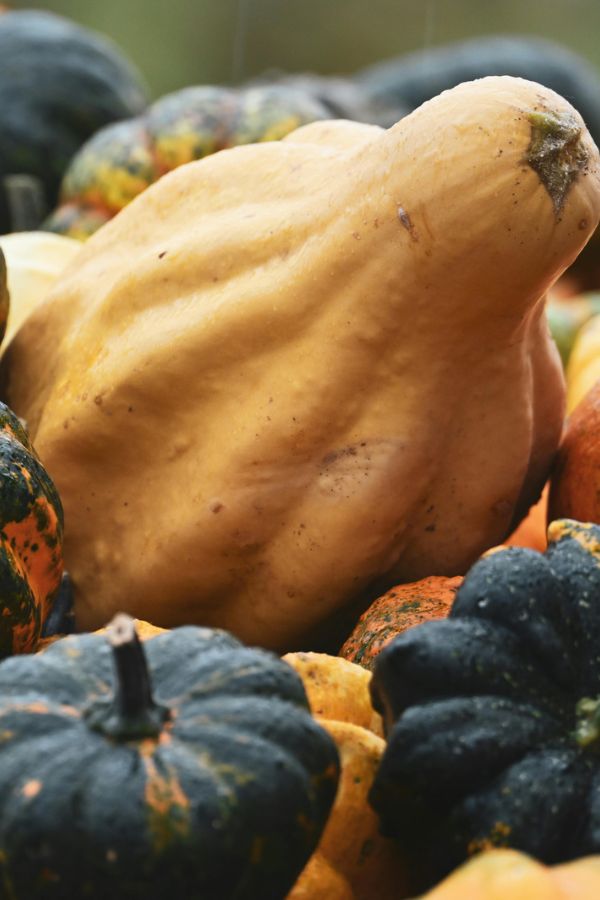
Add fibre, but do so gradually. Fiber helps keep your digestion moving smoothly, prevents constipation, and feeds healthy gut bacteria. However, introducing too much fiber too quickly can result in gas, bloating, or discomfort—especially after gallbladder surgery. Start with gentle sources such as lightly steamed vegetables (such as bottle gourd, or pumpkin), oats, brown rice, ripe fruits such as bananas and apples (without the skin). They bind to the free-flowing bile acids in your gut, preventing diarrhea and protecting your intestinal lining. Increase fibre gradually, and drink plenty of water to help your system adjust.
MANAGE FATS CAREFULLY
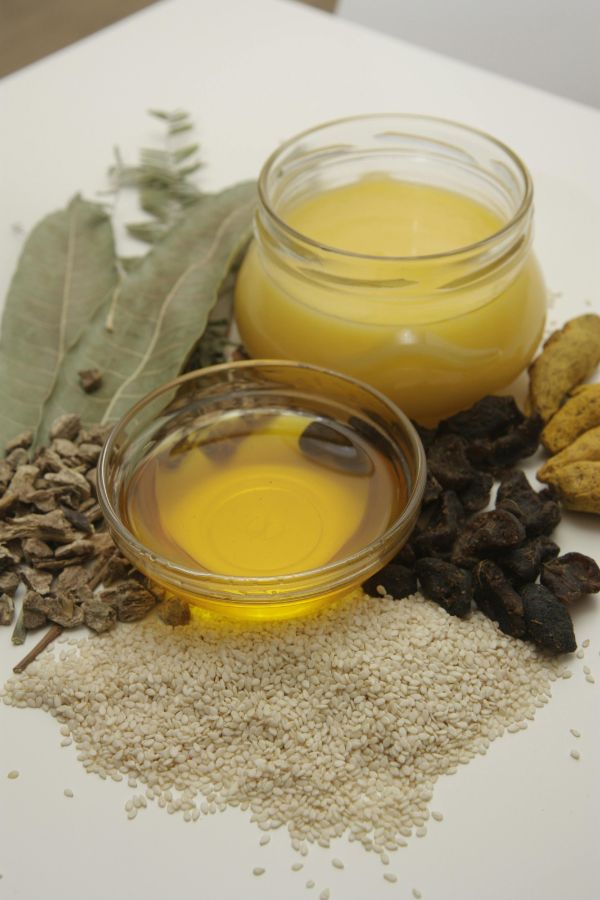
Avoid heavy, fried, or greasy foods. You don’t need to eliminate all fats from your diet, but you do need to choose fats wisely.
Slowly reintroduce healthy, modest amounts of healthy fats, as your digestion tolerates them, (ghee, olive oil, avocadoes, nuts and seeds, in small portions, fatty fish, such as salmon, tuna, mackerel, sardines) to absorb fat-soluble vitamins such as A, D, E, and K. Limit high-fat foods, but do not go fat-free.
Fats to limit or avoid include fried foods, sausages and bacon, heavy cream sauces, processed snacks.
MILD SPICES & HERBS
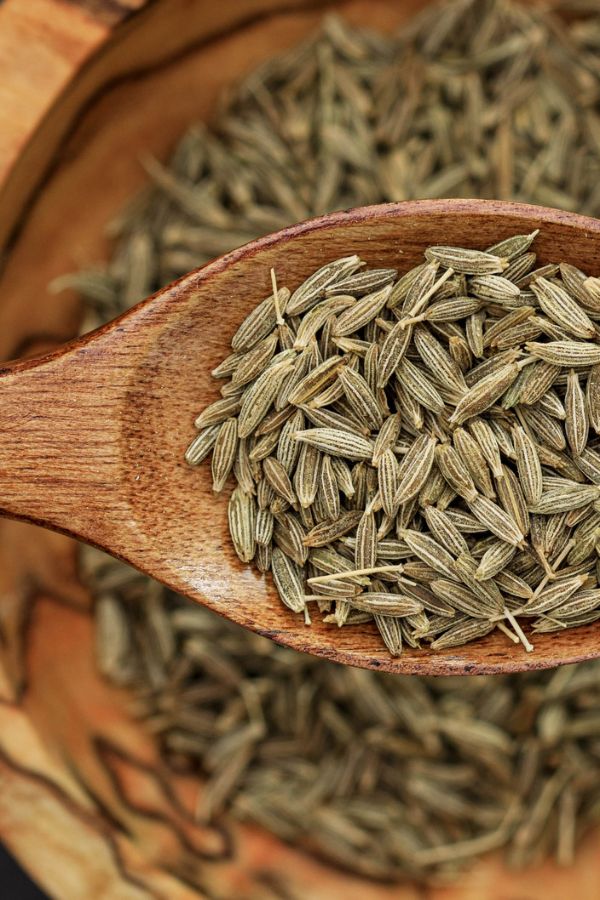
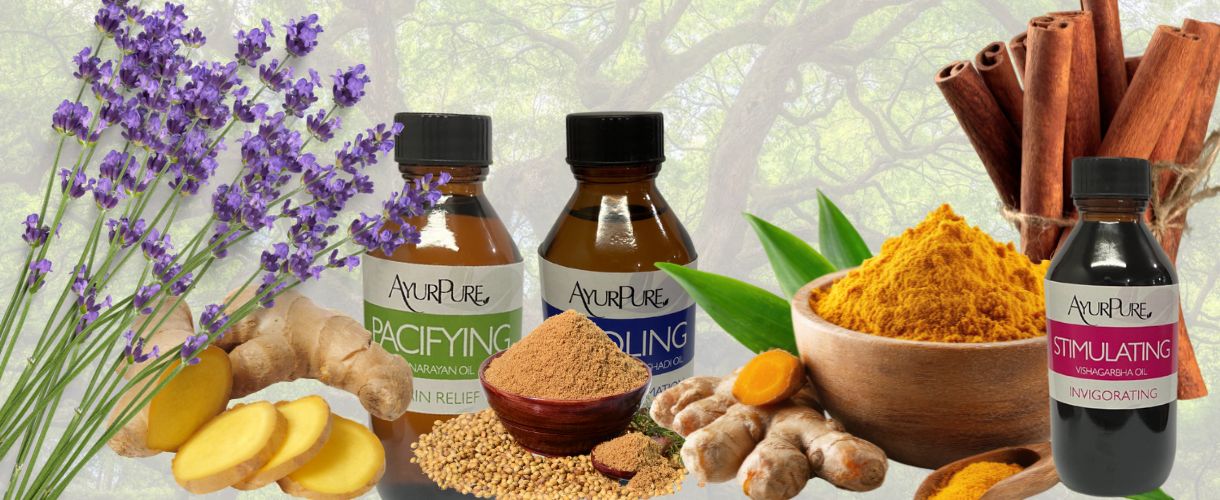
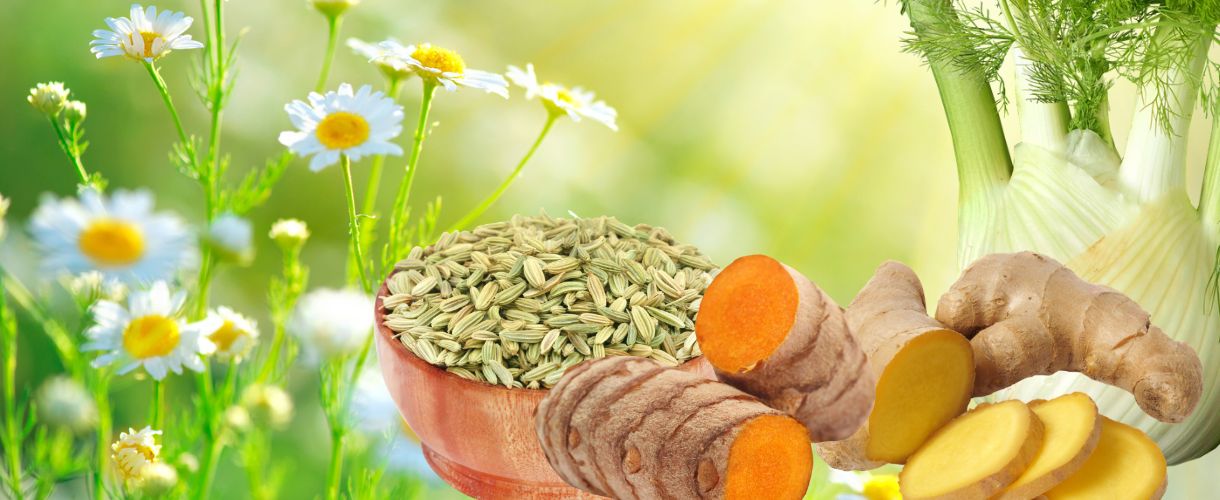
Incorporate mild, carminative spices that support digestion without irritating the gut lining, such as ginger, cumin, coriander, and fennel.
Eat bitter and astringent foods and herbs with liver-supportive properties (such as roasted or juiced beets, parsley, and celery) to help the liver manage continuous bile secretion.
Key Recovery Herbs
- Bhumi Amlaki (Phyllanthus niruri)
Acts as a powerful hepatoprotective agent, helping the liver adjust to its new role of releasing bile directly into the small intestine. - Guduchi (Tinospora cordifolia)
Known for balancing all three doshas, Guduchi helps soothe internal inflammation from surgery, gently detoxifies the digestive system, and supports tissue healing. - Turmeric (Curcuma longa)
A natural anti-inflammatory (Shothahara) and mild cholagogue, turmeric promotes steady, healthy bile flow from the liver while reducing the gut irritation and bloating common after surgery. - Ginger (Zingiber officinale)
Excellent for immediate post-surgery recovery to settle a squeamish stomach, reduce postoperative nausea, and naturally kindles a sluggish digestive fire (Agni) without overheating the system. - Fennel (Foeniculum vulgare)
Fennel acts as a cooling digestive stimulant (Deepana-Pachana). Drinking fennel tea after light meals helps alleviate the painful gas, cramping, and severe abdominal bloating that many individuals experience weeks after the procedure.
Physical Activity
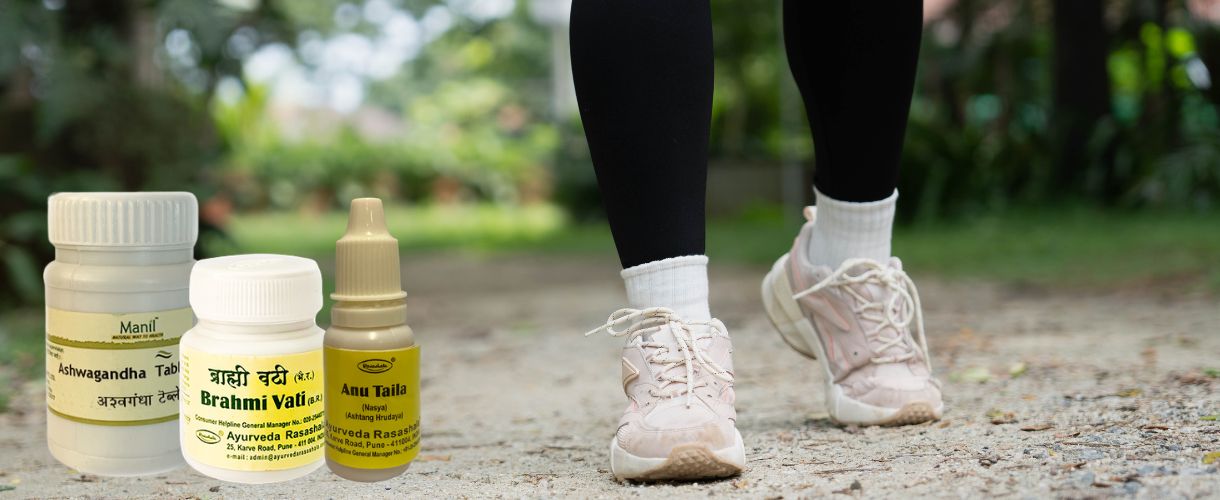
Ease back into movement gradually. After gallbladder surgery, movement helps stimulate digestion and prevent constipation. Just make sure to take it easy, especially during the first few weeks.
I encourage you to move at your own pace and listen to your body during recovery.
- RECOMMENDED
- Walking
- Light stretching
- Breathing exercises
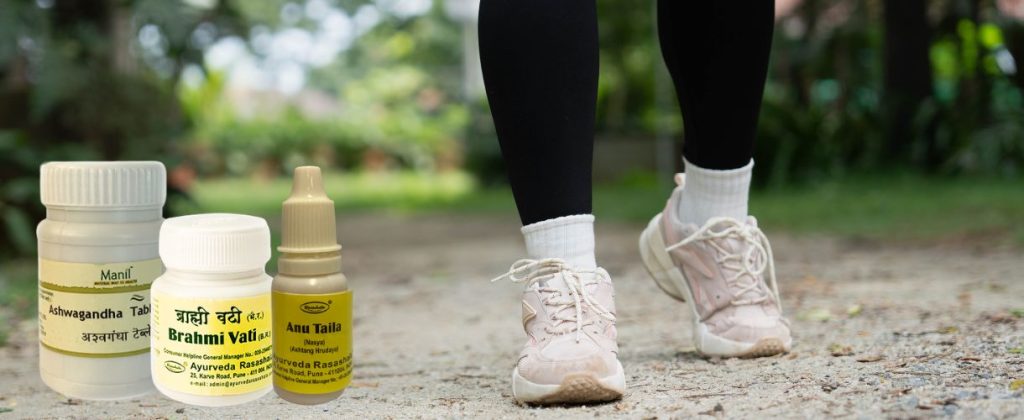
- Gentle Shanti Yoga, with a trained instructor
- AVOID
- Heavy lifting
- High-intensity workouts
- Abdominal strain until cleared by your doctor
In Conclusion
Whether you’re weeks into recovery or still dealing with long-term symptoms, living without a gallbladder doesn’t mean living with constant discomfort. With the right knowledge, a few lifestyle adjustments, and support from a qualified medical team, you can maintain vibrant health.
If you would like personalized support, contact us today to book an Ayurvedic Lifestyle and Dietary consultation. We provide compassionate, personalised care to help you feel your best—every step of the way.
Articles and blogs are best approached as general educational and informational reading rather than professional advice. While we always try our best to share accurate and up-to-date insights, please feel free to explore the content at your own discretion, as we can't guarantee every detail. Thank you for reading. Please let us know if you'd like to chat more about it.